


Study Guide
About the Show
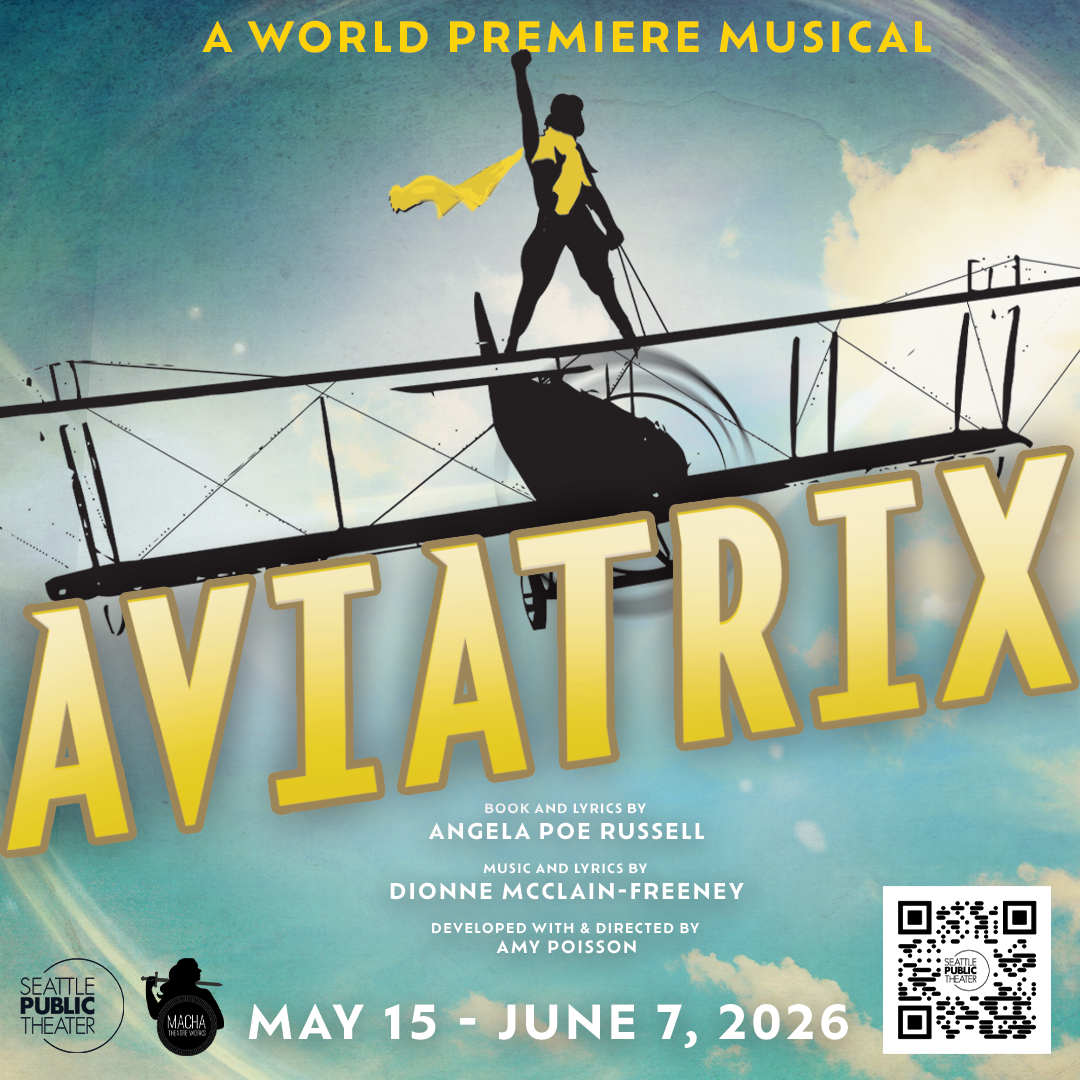
Aviatrix
Book and Lyrics by Angela Poe Russell
Music and Lyrics by Dionne McClain-Freeney
Developed with and Directed by Amy Poisson
May 15 - June 7, 2026
Determined to make something of herself, a girl from rural Texas dreams of flying. But it’s 1917, and flight schools don’t accept women, much less one who is Black and Native. Refusing to take no for an answer, Bessie Coleman goes to extraordinary lengths to make her dream of flying a reality.
Runtime: 2 hours and 30 minutes with an intermission
Bessie Coleman’s Life and Legacy
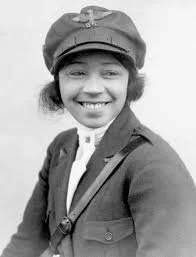
Early Life in Texas
Elizabeth “Bessie” Coleman was born in Atlanta, Texas, on January 26, 1892. She was the 10th of 13 children born to father George, a sharecropper of mixed Native American (Choctaw and Cherokee tribes) and African American descent, and mother Susan, an African American maid.
In 1910, at age 18, Bessie attended Colored Agricultural and Normal University (today Langston University) in Langston, Oklahoma, but she only had enough money to attend for a single semester. Five years later, she moved to Chicago with her older brothers John and Walter. There, she attended Burnham School of Beauty and Culture and became a manicurist at a local barbershop.
Walter and John fought in WWI, in the 370th regiment of the Illinois National Guard. They told Bessie that women in France were able to be pilots, and she decided she wanted to pursue flying. She applied to almost every flight school in the United States, but was rejected because of her race and gender.
Bessie Sets Sail for France
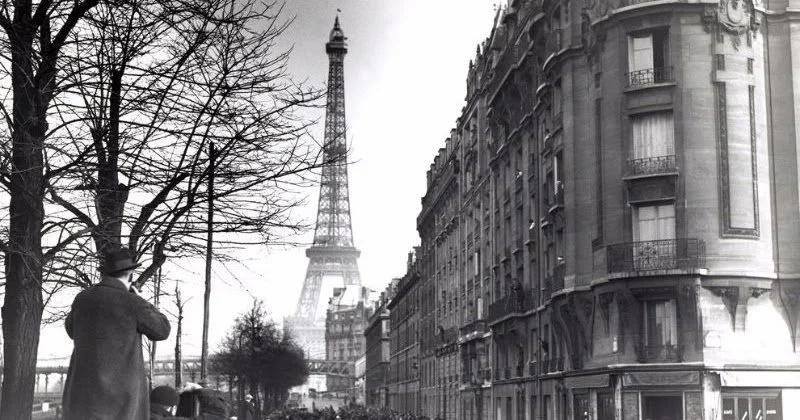
Bessie sailed for France on November 20, 1920, to attend France’s most famous flight school, the Ecole d’Aviation des Freres Cuadron at Le Crotoy in the Somme. In 1921, after seven months of training, she became the first African American woman and the first Native American to hold a pilot’s license, as well as the first Black person to hold an international pilot’s license
“I knew we had no aviators, neither men nor women, and I knew the Race needed to be represented along this racist important line, so I thought it my duty to risk my life to learn aviating.”
Career
She returned to New York in September 1921, but found few commercial opportunities for pilots, save for stunt flying. She returned to France for an additional six months of training to learn loop-the-loops, barrel rolls, and other aerial tricks. Back in the U.S. in 1922, Bessie quickly became known as “Queen Bess,” and “Brave Bessie,” for the daring maneuvers she performed in air shows across the country.
Coleman refused to perform at air shows that were segregated or prohibited the attendance of African Americans. She was offered the lead role in the film “Shadow and Sunshine,” but walked off the set when she learned her character was based on racist and derogatory stereotypes.
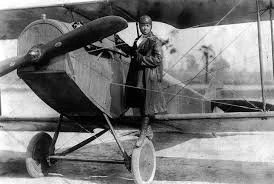
Legacy
Her legacy lives on across the country in many ways, including:
In 1929, African American pilot William J. Powell established a flight school in her honor in Los Angeles.
In 1977, a group of female pilots based in the Midwest established the “Bessie Coleman Aviators Club”
In 1992, Dr. Mae Jemison carried a picture of Coleman with her when she became the first African American woman to go into space aboard the Space Shuttle Endeavour.
In 1995, the U.S. Postal Service issued a Bessie Coleman commemorative stamp.
“I wished I had known her while I was growing up, but then again I think she was there with me all the time.”
- Dr. Mae Jemison, NASA astronaut
History
A timeline of some historical events that impacted Bessie’s life and career.
1800s
Jim Crow Laws (1877-1895)
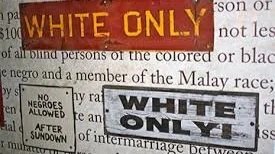
Jim Crow laws were state and local laws that legalized racial segregation and kept Black Americans disenfranchised. During the Jim Crow era, racially motivated violence went largely unfettered, unchecked, and rampant. The name itself comes from the popular Black minstrel show “Jim Crow Jubilee.” In these shows, white actors in Blackface portrayed Black people in stereotypical and derogatory manners. One of the first popularly known Blackface characters was called “Jim Crow.”
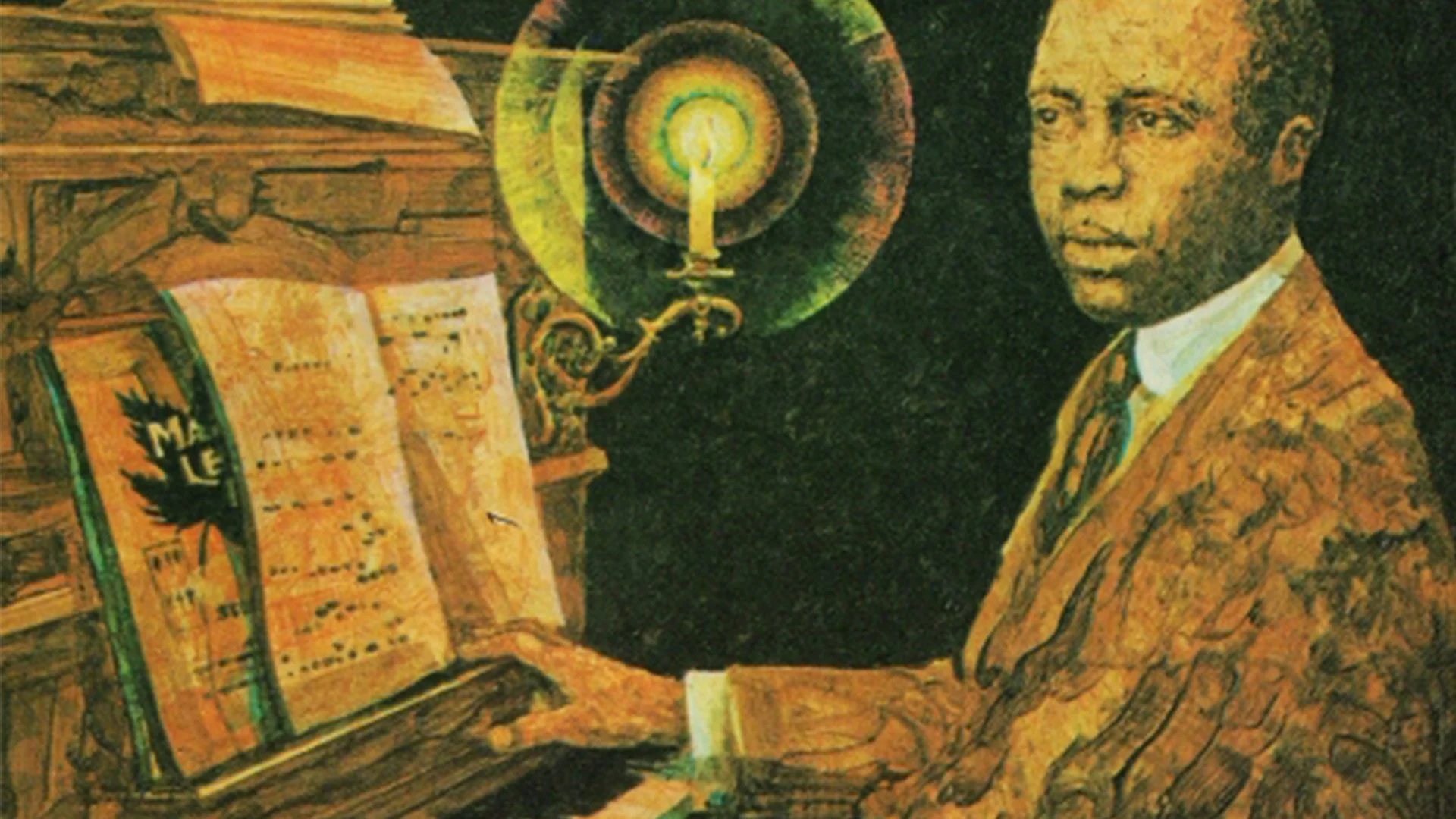
Scott Joplin
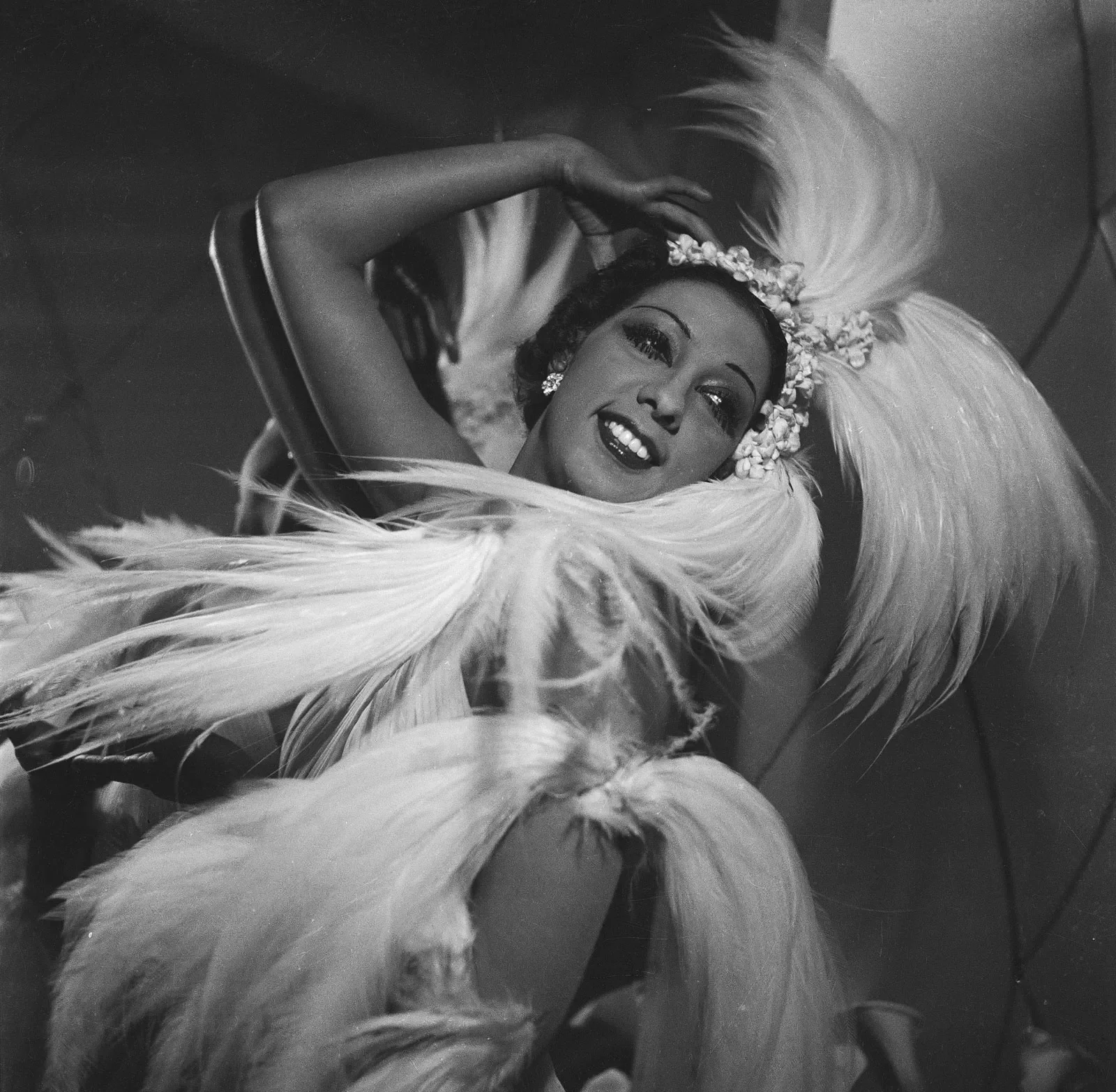
Josephine Baker


1900s

Plessy v. Ferguson Supreme Court Ruling (1896)
In 1890, Louisiana passed a law segregating railroad cars within the state—separating African American passengers from white passengers. This law was a symbol of the collapse of African American civil and political rights and the rise of Jim Crow laws throughout the South in the late 1800s
Homer Plessy, an African American man, challenged the law, arguing that it violated the Fourteenth Amendment’s Equal Protection Clause. The Supreme Court, in a 7-1 vote, upheld the Louisiana law, concluding that laws providing for “separate but equal” facilities for African Americans and white Americans were consistent with the Constitution.
Over a half a century later, the Supreme Court finally overrules the infamous Plessy decision in Brown v. Board of Education (1954).
World War I (1914-1918)
When the United States entered WWI in 1917, several thousand Black Americans were serving in the National Guard and 10,000 Black soldiers served in four segregated units within the U.S. Army. Many government officials and military commanders baselessly doubted that African American troops could perform well in combat, and assigned 89% of Black servicemen to noncombatant support roles (compared to 56% of all other soldiers). Eventually, two African American combat divisions were formed and saw combat on the Western Front in Europe: the 92nd Division (under U.S. command) and the 93rd Division (under French command; composed of four Infantry Regiments, including the 370th, which Coleman’s brothers served in). By the end of hostilities in November 1918, 2.3 million Black men had registered for the draft and close to 370,000 saw service.
African American women supported the war effort as nurses, ambulance drivers, office workers, relief organization volunteers, and more. Twenty-three Black women served abroad with the YMCA. American Red Cross policies permitted Black women to be ambulance drivers, but did not allow them to apply as nurses until late 1918.
Great Migration (1916-1970)
Between 1916 and 1970, approximately six to seven million Black Americans participated in a mass exodus from the south to the north. In the 1910s, Bessie Coleman was one of an estimated 440,000 people migrating from the south. She was one of 1.5 million between 1900 and 1930s. The migration slowed majorly during World War II (1939-1945), but continues to this day.
Édith Piaf
Music in the Early 1900s
Popular music at the turn of the century was a wide range of patriotic music, spirituals, and even minstrel shows of Broadway and Vaudeville, including musicians like Al Jolson who performed in Blackface. Ragtime, known for its syncopated or “ragged” rhythms, originated in African American communities and was propelled to popularity in the late 19th century by musicians like Scott Joplin (1868-1917). Joplin, known as the “King of Ragtime” composed such pieces as “The Entertainer” and the “Maple Leaf Rag.” Ragtime later blossomed into jazz music.
In France, jazz music and chanson réaliste were popular in cabarets and cafes reflecting Bohemian culture (“chanson” means “song” in French). A popular French chanteuse at the time was Édith Piaf (“La vie en rose”). In the mid-1920s, Josephine Baker took France by storm with her fusion of African American jazz rhythms reflective of the Harlem Renaissance and Parisian cabarets and dance spectacles.
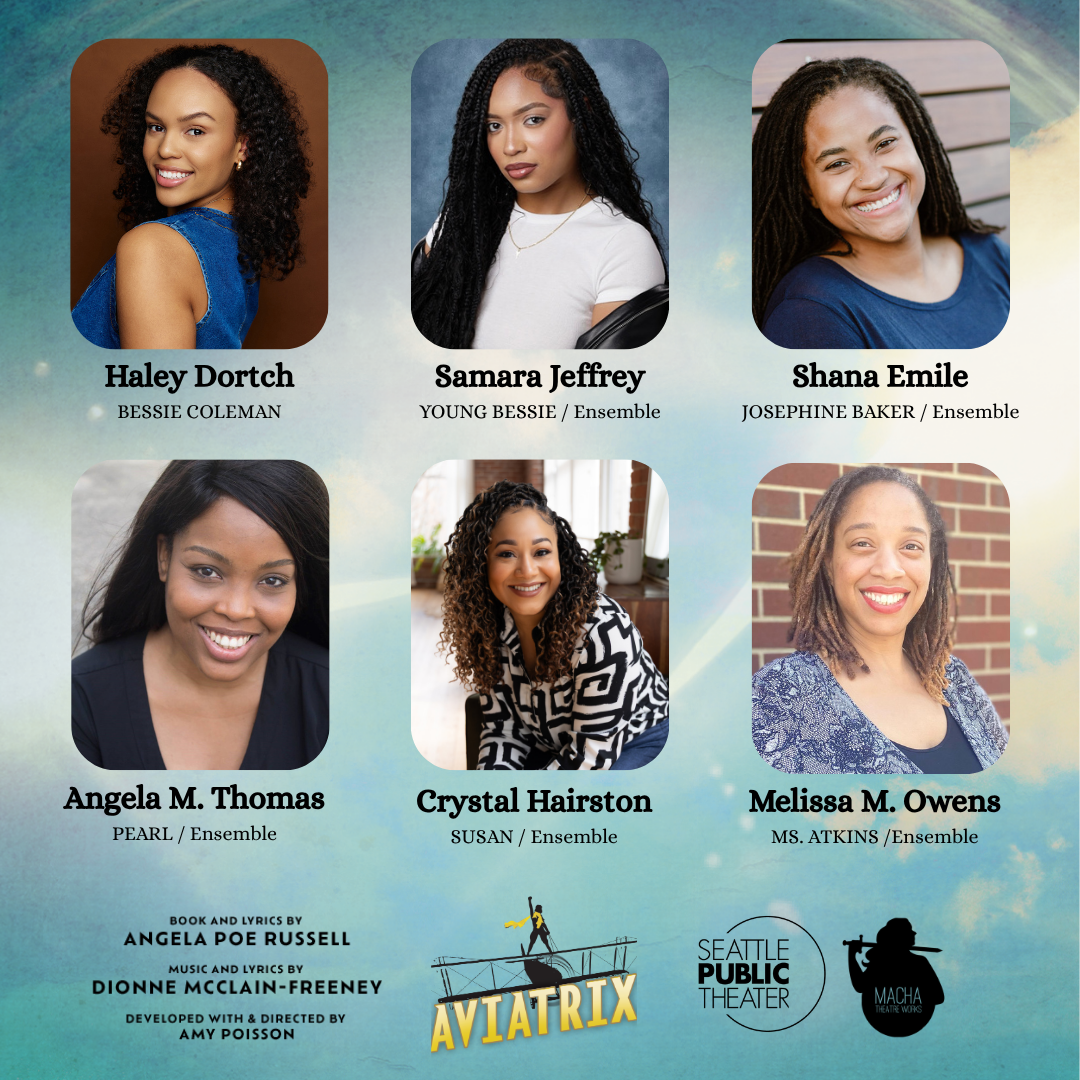
Meet the Cast
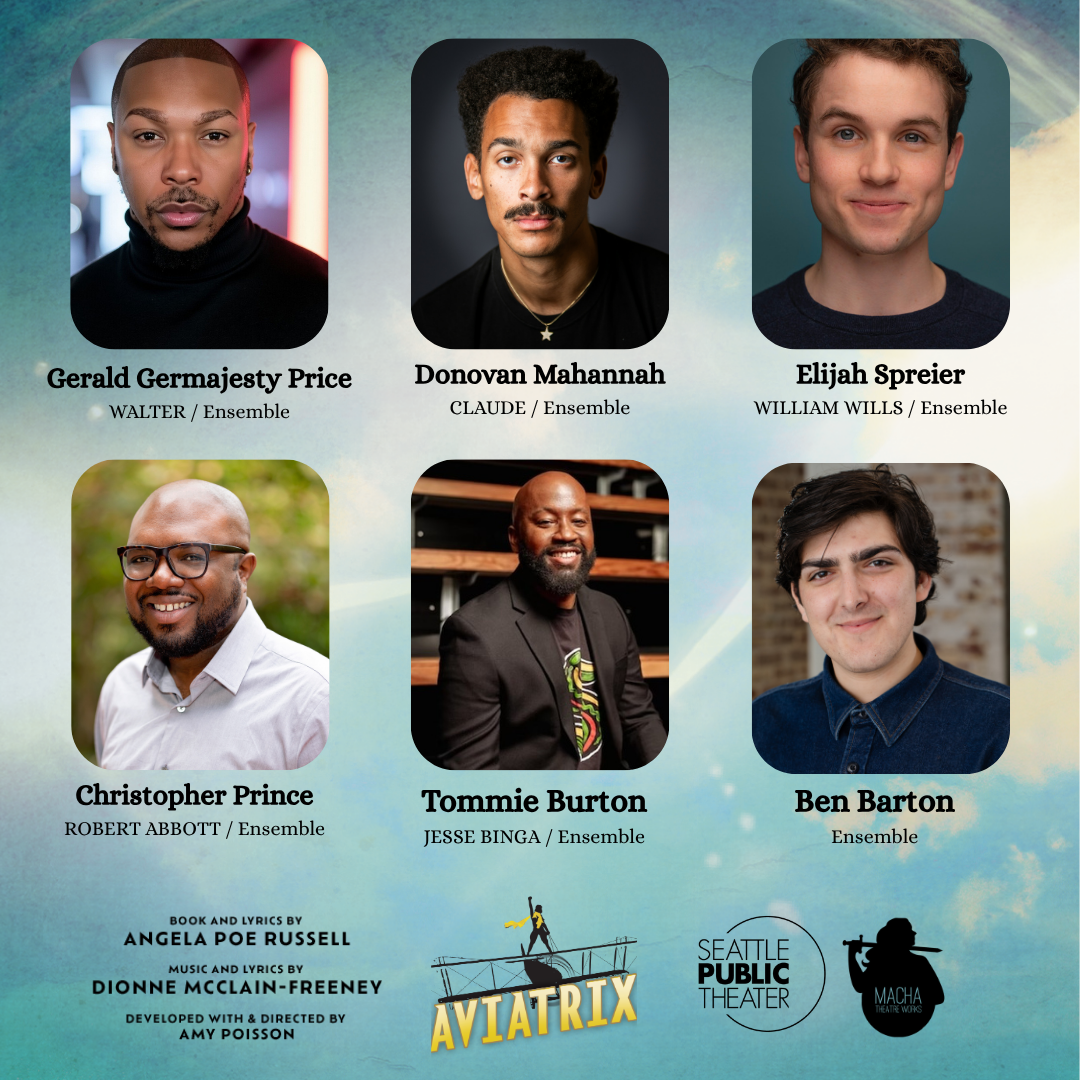
Creative Team
Angela Poe Russell | Book Writer and Co-lyricist
Dionne McClain-Freeney | Composer and Co-lyricist
Amy Poisson | Director and Developer
Kataka J. Mackenzie | Assistant Director/Vocal Coach
Lexi Warden | Choreographer
Dani Norberg | Lighting Designer
Parmida Ziaei | Scenic Designer
Teia O’Malley | Scenic Design Assistant
Carlisia Minnis | Costume Designer
Lisa Finkral | Sound Designer
Robin Macartney | Props Designer
Bailey Dobbins | Stage Manager
Indira Rampersad | Assistant Stage Manager
Riley J. Ellis | Production Assistant
Meet the Book Writer and Co-lyricist

Angela Poe Russell is well known to Seattleites as an award-winning journalist and former co-host of “Evening” on KING 5, and now she’s preparing for her world premiere musical, “Avaitrix,” to take flight. This new musical explores the life of Bessie Coleman, the first African American and Native woman to hold a pilot’s license.
When Poe Russell first learned Coleman’s story several years ago, she wondered why she hadn’t heard it sooner. “I felt so cheated,” she said. “I often wonder how my life would have been different had I known about her from a young age.”
Like any skilled journalist, Poe Russell knows a good story when she uncovers one – and she knew Coleman’s story needed to be told.
Poe Russell mentioned this budding idea to Seattle Public Theater’s Producing Artistic Director Amy Poisson over coffee in 2023. Poisson was excited about it and threw her support and enthusiasm behind the project. “She became my doula, so to speak,” Poe Russell said.
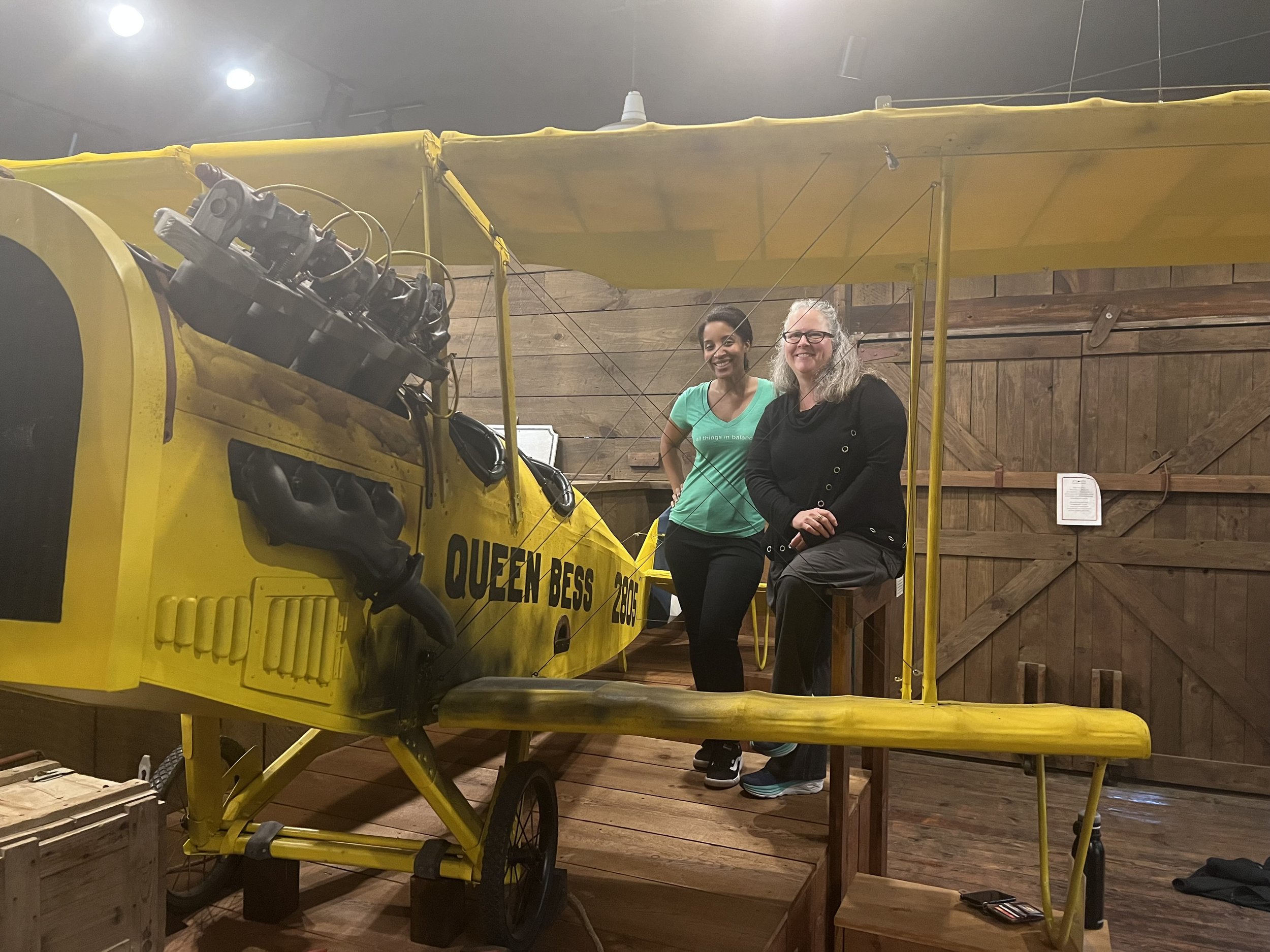
Over the past three years, Poe Russell and Poisson traveled to Bessie’s hometown of Atlanta, Texas, conducted hours of research, and brought composer Dionne McClain-Freeney onboard to bring Coleman’s story to life in Aviatrix.
Last spring, she had the chance to hear an early version of the script aloud during a staged reading presentation at SPT’s Distillery New Works Festival, which was invaluable. “It’s the community that really breathed life into the show,” Poe Russell said.The creative team received audience feedback, which helped them understand which aspects of the story audiences were connecting with, fine-tune the script, and even cut some beloved songs.
“It is so much better because of Distillery,” she said. “I can’t even imagine where it would be had we not had that opportunity. It just meant everything.”
Almost a year later, Poe Russell is eager to share “Aviatrix” with the community. She hopes audiences leave the theater feeling as inspired by Coleman’s story as she does. “This show is meant to remind you of your spark,” Poe Russell said.“I hope this show reminds you of who you are, lights your fire again, and you go do the thing that you’ve been afraid to do.”
Meet the Composer and Co-lyricist
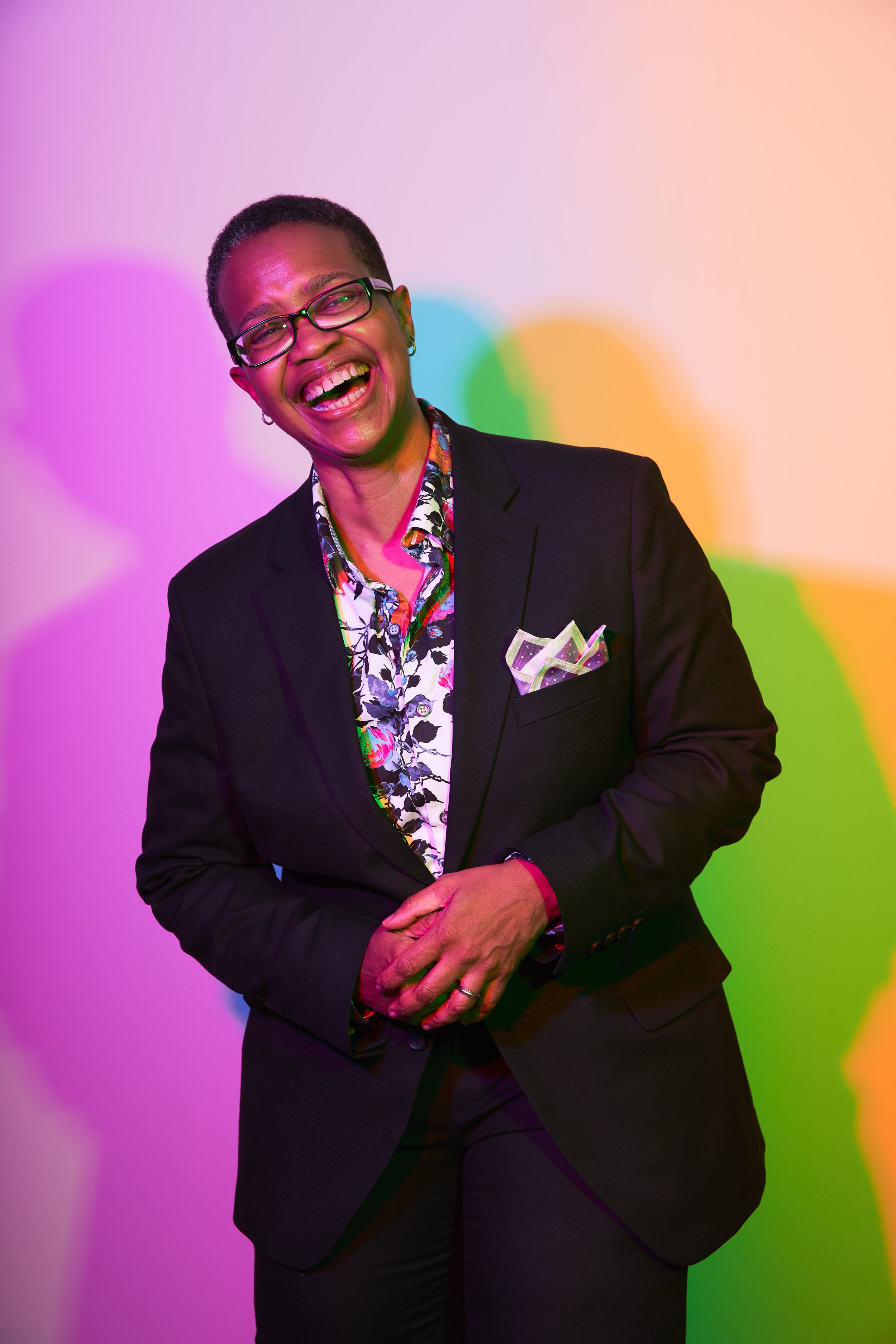
Dionne McClain-Freeney’s eclectic musical tastes have shaped her career. From early gospel influences to her mom’s favorites from the Great American Songbook to house music, McClain-Freeney’s expansive musical influences made her the perfect composer for the story of the convention- and gravity-defying Bessie Coleman in “Aviatrix.”
Playwright Angela Poe Russell had been developing “Aviatrix” alongside director Amy Poisson for about a year when they reached out to McClain-Freeney, an award-winning composer, singer, teaching artist, and music director.
From the beginning, Poe Russell and McClain-Freeney knew they wanted the score to reflect music that Coleman would have identified with – and that are uniquely Black: spirituals, blues, jazz, gospel, R&B, and even hip hop. “We knew all of those things had to be the musical foundations of whatever this show was going to be,” McClain-Freeney said.
An early version of “Aviatrix” presented at last year’s Distillery New Works Festival had just 14 songs. The production that debuts in May has expanded to 42 songs, composed and orchestrated for 12 performers and five musicians. “It’s really exciting and kind of overwhelming to see it come together,” McClain-Freeney said.
She’s eager to see audiences connect with the story they’ve created. “I hope they love Bessie as much as we do. I hope they find her as compelling and complex as we do. I hope they can see themselves in her story,” McClain-Freeney said. “But mostly, I hope that audiences feel like they are leaving the theater different than when they came in.”
Across the board, the creative team has been inspired by Coleman’s story of perseverance, determination, and community. “Bessie has taught me that you can push through almost anything,” McClain-Freeney said. “You don’t have to do it in a perfect way; you can do it with duct tape and bubble gum if you have to. But if the thing that you’re trying to do has meaning, never lose sight of that.”
In the world of musical theater, there are still only a few Black female composers, and McClain-Freeney hopes she can inspire generations that follow her, much like Bessie Coleman did. “I’m at the age where I know I have fewer years in front of me than behind me, and I think it’s really important that some other weird, nerdy, queer, musically inclined Black girl who wants to tell stories feels like they can see themselves doing this.”
Meet the Director and Developer
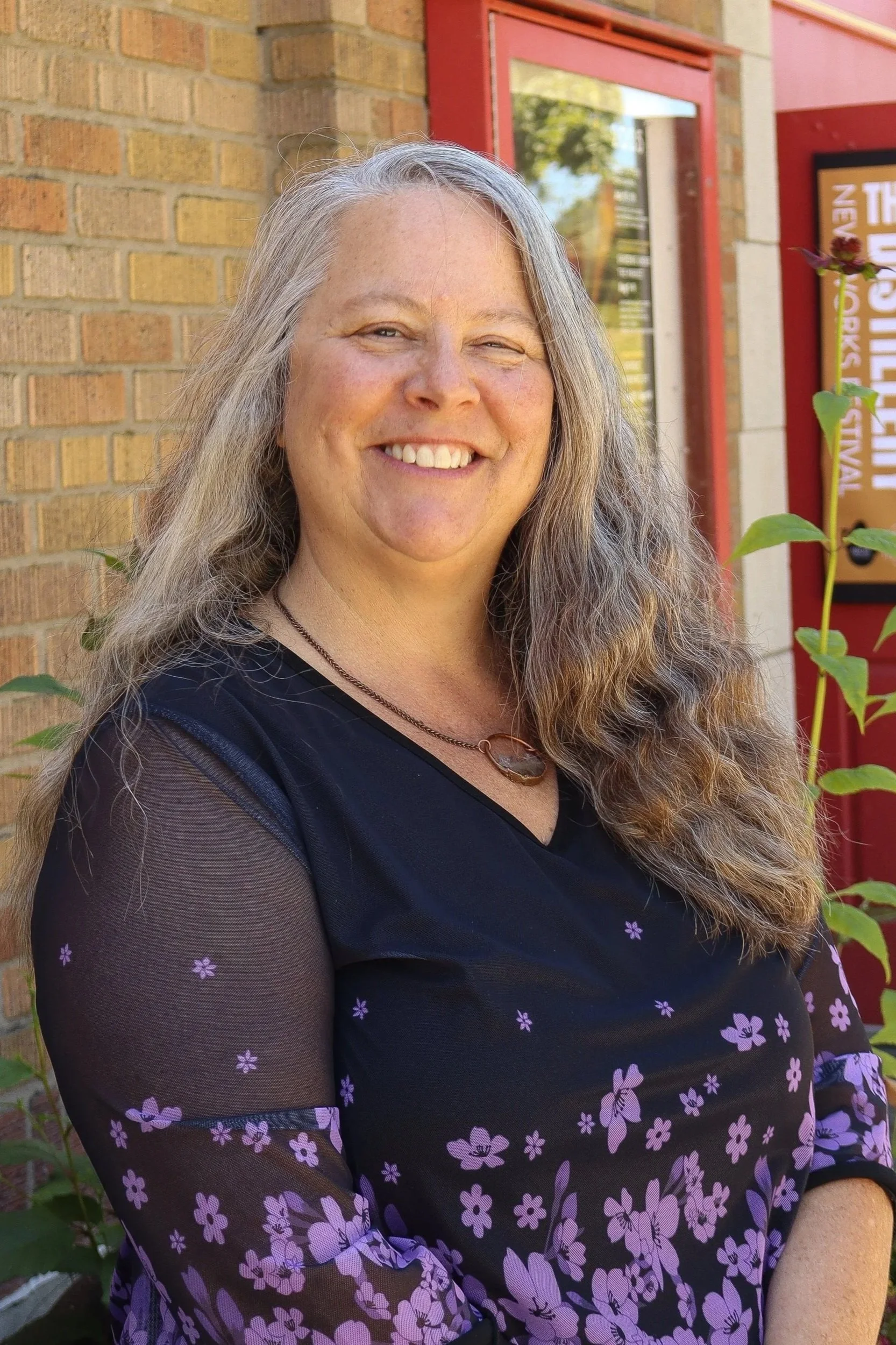
Seattle Public Theater Producing Artistic Director Amy Poisson is on a mission to flip the theater canon, one new play at a time. She has long been dedicated to shepherding new work to the stage and she especially loves working with female playwrights to help them tell stories they’re passionate about.
And playwright Angela Poe Russell is passionate about the story of Bessie Coleman, the first female Black and Native pilot – who Poe Russell learned about for the first time several years ago.
Poisson has collaborated with other playwrights to bring stories of female historical figures to the stage and has experience finding the balance between truth and fiction. Poisson knew she could help Poe Russell channel her enthusiasm into a play.
“If I’m going to spend my time working with somebody, it’s important that they are passionate and they care. I’m not interested in people who are half-assing things or too cool to get excited,” Poisson said. “Making art is really really hard, so if you’re not starting from a place of excessive enthusiasm you aren’t gonna make it.”
Over the next two years, Poe Russell worked through outlines, drafts, and revisions with Poisson’s help. Last year, they added composer Dionne McClain-Freeney to the team and prepared to present an early draft at the Distillery New Works Festival. After seeing the staged reading and receiving audience feedback, the team went back into work mode – expanding the score, cutting characters, streamlining plot points, and honing further in on their story.
From the beginning, Poe Russell’s goal was to ensure audiences leave “Aviatrix” knowing Bessie Coleman’s story and feeling inspired to go out and follow their hearts. And if the team has done their job, Poisson said, people will walk out of the theater empowered.
“If one person leaves and makes a decision to do something they weren’t going to do, that is world-changing,” Poisson said. “I believe in art, more than anything else on this planet, I believe in art as a way to lift people up.”
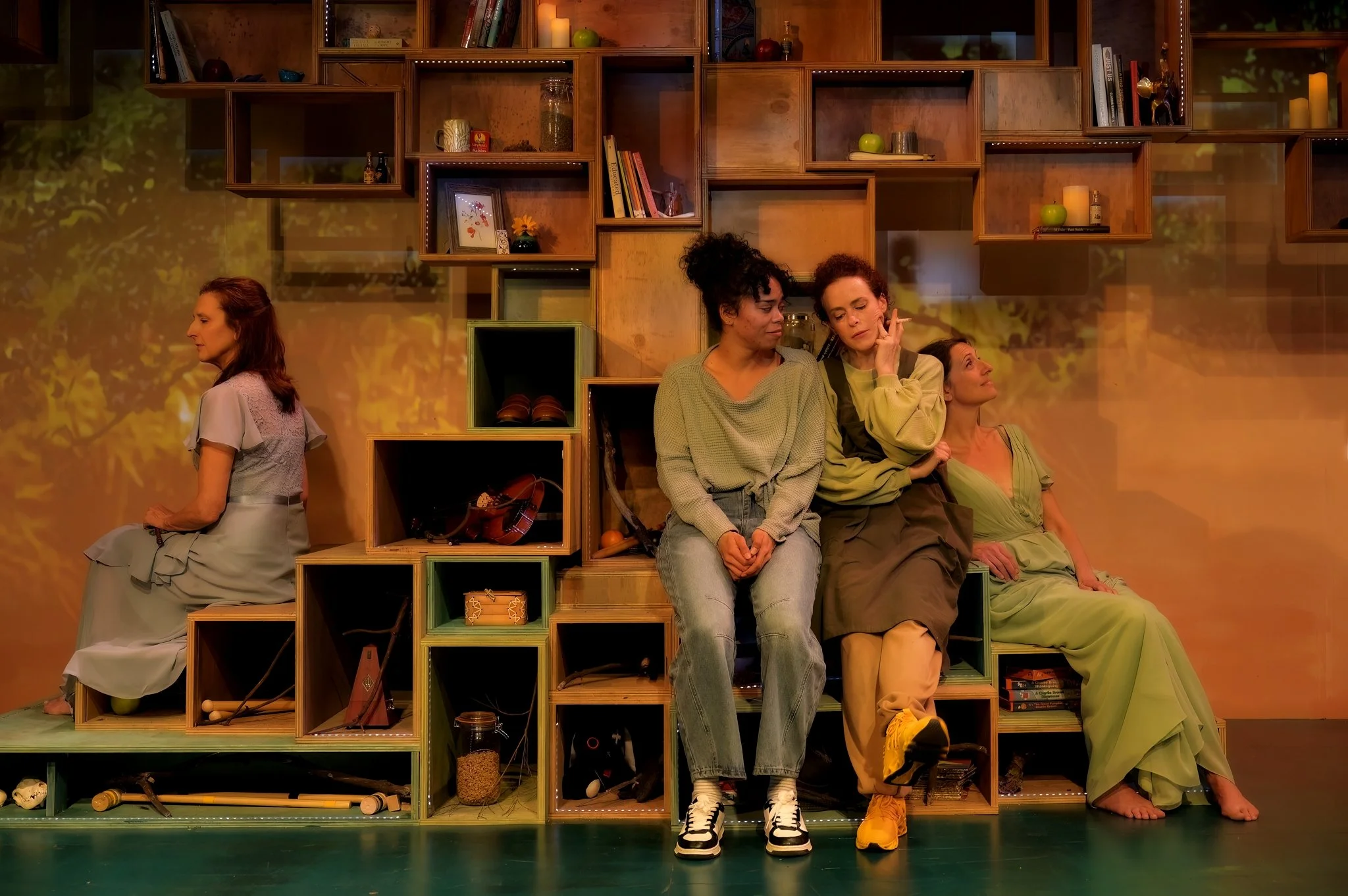
The Park, 2024

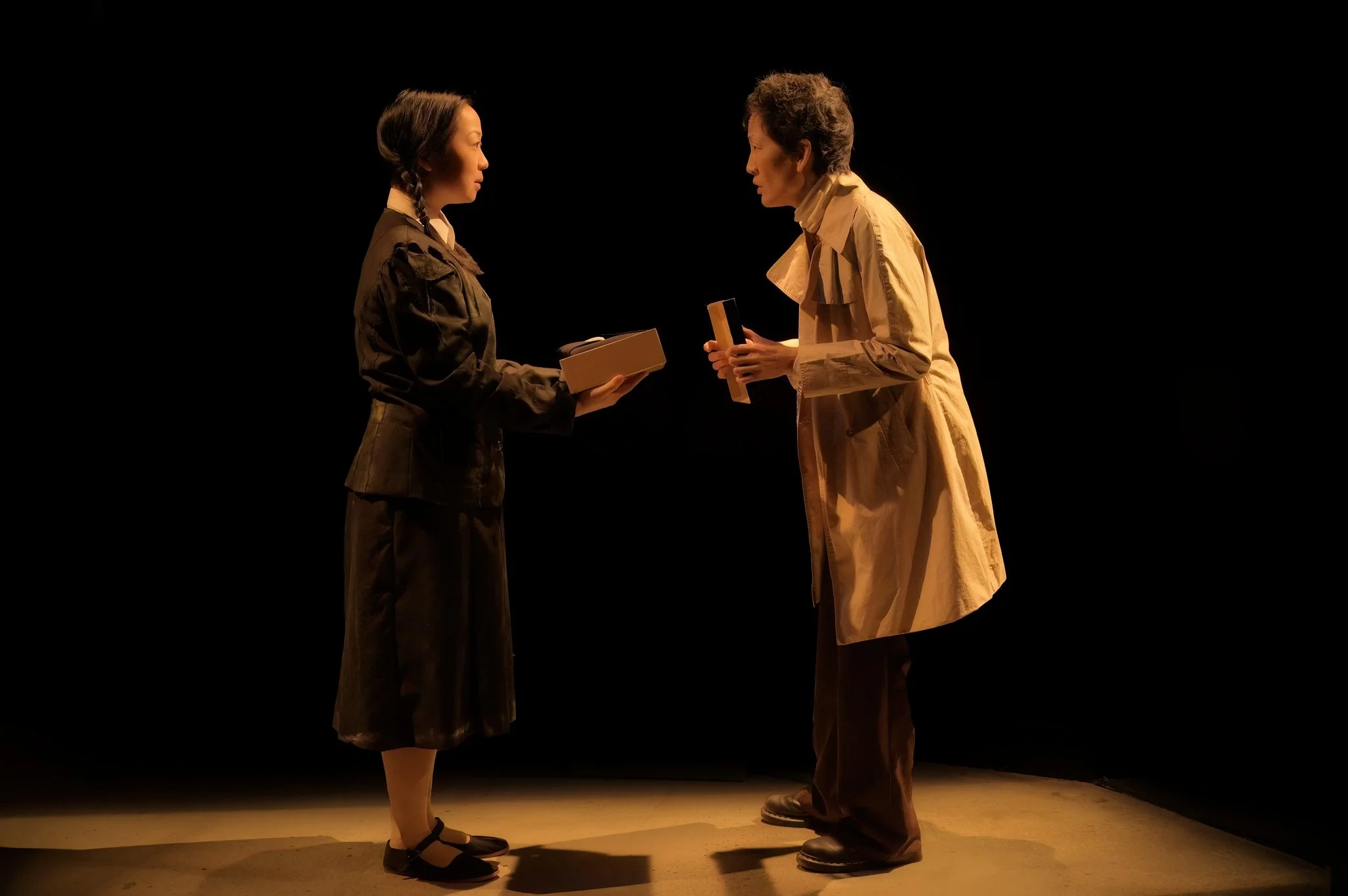
Once More, Just for You, 2024
Developing new plays and supporting early-stage playwrights — like Angela Poe Russell and her world premiere of “Aviatrix” — is a cornerstone of Seattle Public Theater’s mission to embrace historically excluded identities and emerging artists to produce compelling work that sparks conversation and ignites empathy.
Alongside co-producer and Theater in Residence, Macha Theatre Works, Seattle Public hosts a resident playwright program and the annual Distillery New Works Festival – both of which often lead to future mainstage productions. Through this focus on new works, Seattle Public proudlyshowcases new perspectives, uncovers untold stories, and uplifts underrepresented voices to help everyone see the world in a more compassionate way. According to Associate Artistic Director Leah Jarvik, new work can do that in a way nothing else can. “New work by living playwrights has the ability to speak to our moment and today’s world — the joys, the horrors, everything — in a different way than an older play by a dead playwright.”
It’s all part of “flipping the canon,” Jarvik says, referring to the classical theater canon that historically consists of plays by long-dead, cisgender, white men. “We’re helping make sure the stories we see on stage become the tried and true stories of tomorrow.”
Your support helps Seattle Public Theater continue to uplift underrepresented voices and expand the theater canon of the future. Donate today to support the development of more new works that innovate, inspire, and ignite the community at Seattle Public Theater!
Developing New Works at Seattle Public
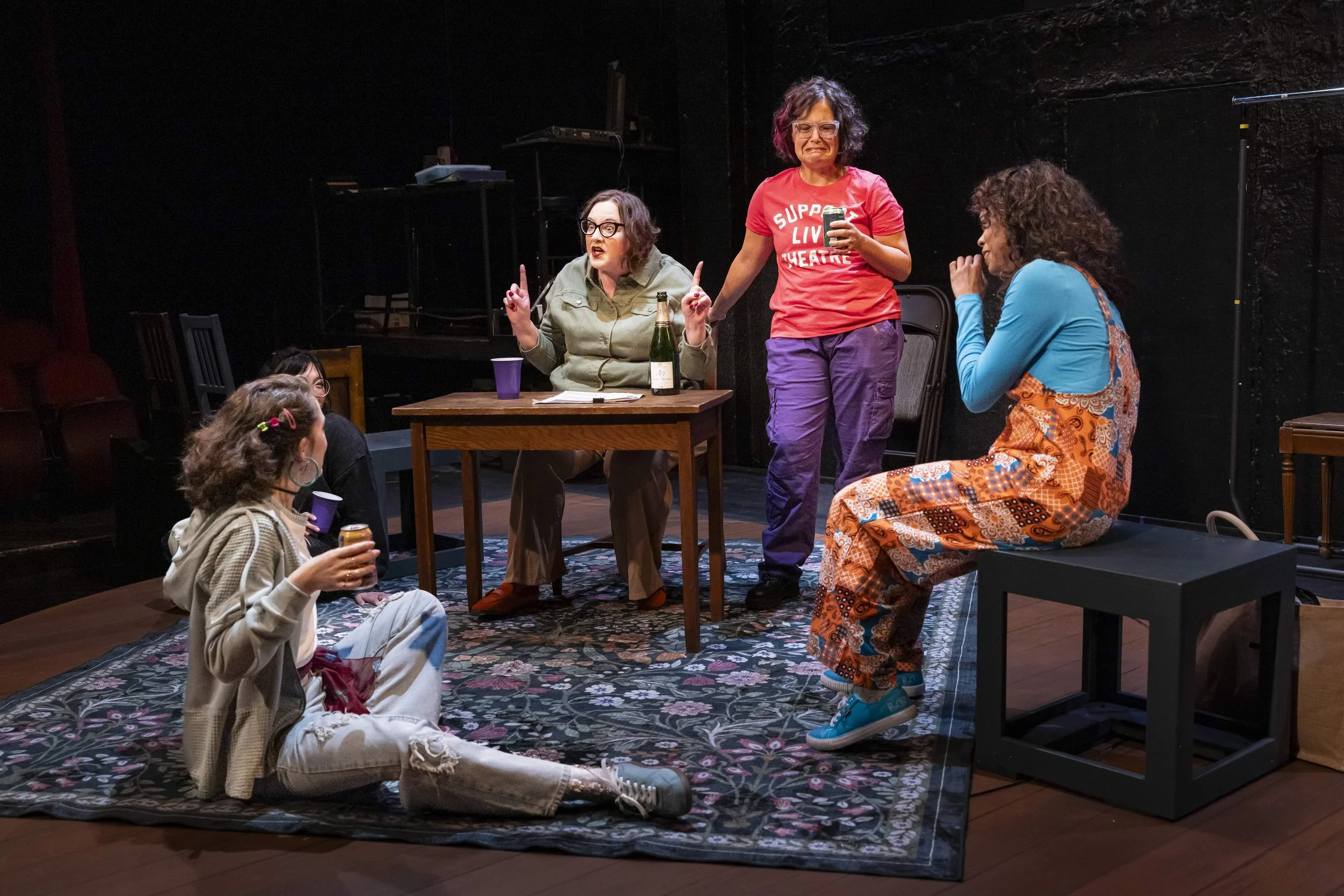
Stage of Fools, 2025


Educational Activities
BEFORE THE SHOW
Thinking ahead: Without researching, have you heard of Bessie Coleman before? What do you already know about her?
Grammar lesson: The word aviatrix comes from the word aviator, with the French suffix -trix to make it feminine…think of “actor” vs. “actress.” Why do you think people felt the need to distinguish that the pilot was a woman?
Make a prediction: looking at this poster, what do you think Bessie’s story will be about? How do the colors and the pose of the figure on the front give you clues?
POST SHOW DISCUSSION QUESTIONS
These questions can help you and your family find more meaning in Bessie’s story. They can serve as a great “jumping off” point to start conversations.
What moments in Bessie’s early life inspired her to want to become an aviatrix?
A lot of road blocks kept Bessie from becoming an aviatrix. What motivated her to keep going? What motivates you to keep following your dreams?
Several important historical events happened over the course of the Bessie’s lifetime: riots, the Tulsa bombing, etc. Why do you think the playwright included these events in Aviatrix? How did these events affect Bessie and her goals?
Playwright Angela Poe Russell asked, How would my life have been different had I known about her at a younger age? She’s inspired me to take chances and when I feel like giving up, I say ‘ok if she can do it, I can do it’. What will you take away from knowing Bessie’s story? What is something that has been asking you to take a chance?
WRITING EXERCISE
To write this musical, Angela Poe Russell took the historical facts and imagined the emotions behind the story. This writing exercise will challenge you to do the same!
Step One: Think of a historical figure who made changes in their world, or who did something for the first time. What challenges might they have faced? What made them want to keep going?
Step Two: Pick one pivotal moment in their lifetime: the moment when they decided to do this great thing, the moment when they face their biggest challenge, or the moment when they finally accomplish their goal are all great starting points!
Step Three: Set a timer for ten minutes. For ten minutes, write as much as you can about this moment. You could write a scene, a monologue, or just a stream of consciousness of your character’s inner thoughts. Don’t judge yourself or edit just yet: for now, it’s about getting the emotions on the page.
Step Four: When your timer is up, read your piece back to yourself-out loud! Theatre is meant to be spoken!
Step Five: Now that you’ve heard the words off the page, it’s time to polish. Add more, take parts out, and edit as much as you’d like.
Step Six: Share your work! Read it to friends, family, or invite your stuffed animals to your world premiere play!
If you want to keep their story going, your next step is….research! Find out as much as you can about this person, and get ready to share their story with the world.
FIND MUSIC FOR YOUR OWN LIFE STORY!
Bessie Coleman’s story is brought to life in Aviatrix with beautiful music. Create a soundtrack to tell your own story!
Step One: Think about what part of your life you want to focus in on. The story of a particular moment in time? A time you accomplished something you were really proud of? Your future dreams?
Step Two: Find songs to represent your story! Aviatrix has THIRTY original songs! Your playlist could have three, or ten, or thirty…it’s your story to tell. As you look for music, consider:
What songs have been important to your life?
What styles of music are you drawn to?
Which musical artists inspire you?
Remember to tell a story. Give background information, find the conflict and rising action, and end things with a resolution.
Step Three: Share your playlist with others if you’d like, or, keep it for yourself when you need motivation to accomplish hard things.
EDUCATION PROGRAMS